About Lubbock Mold Remediation

We are a free quote and referral service. We connect Lubbock-area homeowners with TDLR-licensed mold assessors and remediators for free, no-obligation quotes.

Get a Free Quote
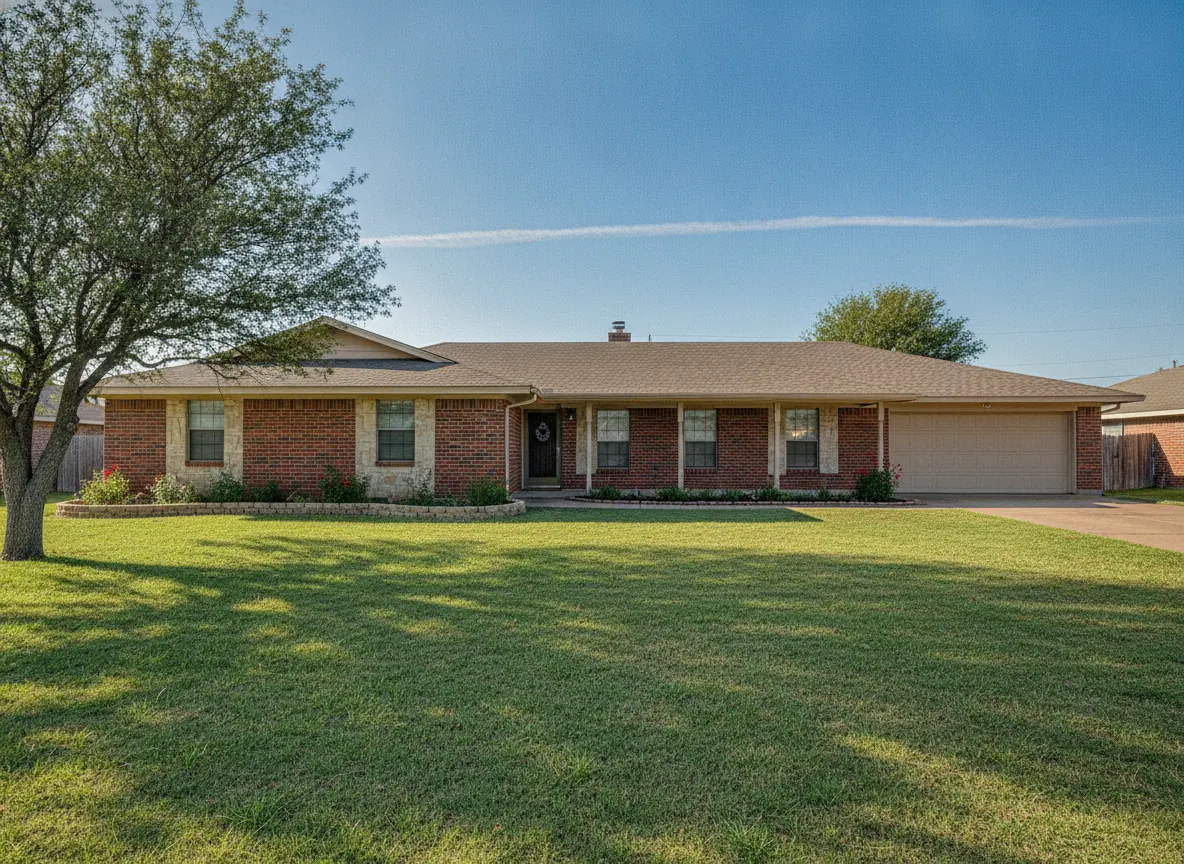
Red-brick ranch house with a flat lawn under a big West Texas sky

What this service is

Finding mold, or a musty smell you can't place, usually starts with a lot of questions. Who do you call first? Does Texas require a license for the job? Can one company handle everything? Lubbock Mold Remediation exists to make that first step simpler.

Tell us what you're seeing and we'll help you get quotes from licensed local pros. You describe the problem on our short form, we usually reply the same day, and we put you in touch with independent companies that serve your part of Lubbock County and the South Plains. The quote is free, and you are never obligated to hire anyone.

  • Free, no-obligation quotes
  • Independent TDLR-licensed mold assessors and remediators
  • Help understanding the Texas two-step: assessment first, remediation second
  • We usually reply the same day

What this service is not

Being clear about this protects you, and it reflects how Texas law works.

Not a mold company

Lubbock Mold Remediation is not a mold assessment or mold remediation company. We don't perform any part of the work: no inspections, no sampling, no protocols, no removal and no cleanup. Every on-site step is done and priced by the independent company you choose to hire.

Not a diagnosis

We can't tell you what is growing in your home or how far it has spread, and we don't review photos to make that call. A licensed mold assessor answers those questions after looking at the property in person.

Under Texas rules, 16 TAC §78.30(g) says "the review of mold remediation bids or proposals and making recommendations thereto is not mold assessment or mold remediation." That is the kind of help we offer. This is general information, not legal advice.

How mold work is handled in Texas

Texas licenses mold assessors and remediators through the Texas Department of Licensing and Regulation (TDLR), under Occupations Code chapter 1958 and 16 TAC chapter 78. On a typical job of 25 contiguous square feet or more, the work happens in steps:

  1. Assessment

    A licensed mold assessor inspects the home and writes a remediation protocol that says what needs to be removed or cleaned.

  2. Remediation

    A separate licensed remediator follows that protocol. During remediation, crews typically contain the area, remove damaged materials and clean what can be saved.

  3. Clearance

    A licensed assessor does a post-remediation assessment to confirm the area passes.

  4. Certificate

    The owner receives a Certificate of Mold Damage Remediation (TDI form MDR-1) within 10 days of the work being completed.

Texas Occupations Code §1958.155 says the assessor and the remediator on the same project must be separate, and no one may own an interest in both. That is why we help you get quotes for each role separately. Homeowners working on their own home are exempt from licensing at any size (§1958.102(e); 16 TAC §78.30(b)), but a hired company needs a license once the job reaches 25 contiguous square feet. SB 1255 (2025) changed parts of the law, and TDLR is updating its rules. See our step-by-step process for more detail.

How to verify a TDLR mold license

Ask any company for its TDLR license number and check it on TDLR's license search. It takes a couple of minutes:

  1. Open TDLR's Active License Search.
  2. Choose the license type. Mold types include Mold Assessment Consultant, Mold Assessment Company, Mold Remediation Contractor and Mold Remediation Company.
  3. Search by name or license number, or by city or county (for example, Lubbock).
  4. Confirm the license is active and check the expiration date. Texas mold licenses last two years.

A few more checks: license holders must carry an ID card or credential at the worksite (16 TAC §78.70(b)); TDLR posts disciplinary actions in its Administrative Orders Search for three years after the signed order; and licensees must give you TDLR's Consumer Mold Information Sheet at first contact. Our guide on verifying a TDLR mold license walks through each step.

Why mold shows up on the South Plains

Lubbock is dry most of the year. NOAA's 1991–2020 normal is 18.33 inches of rain a year, and about 63% of it falls from May through September, mostly in warm-season thunderstorms. EPA's mold guide says "the key to mold control is moisture control," and low outdoor humidity does not stop mold where water gets inside.

Here, that water tends to come in bursts. On June 23, 2023, the National Weather Service recorded grapefruit-size hail at 98th Street and Upland Avenue in southwest Lubbock, and hail-damaged roofs can let water into attics and ceilings. The city's streets are designed to drain into playa lakes, and in September 2008, during Lubbock's highest-ever 24-hour rainfall of 7.80 inches, NWS Storm Data reports that swollen playa lakes flooded 137 homes and businesses. Plumbing leaks, slab leaks and cooling equipment add to the list.

Housing age varies across the area. The median home in the city of Lubbock was built in 1984 (Census ACS 2024), while neighborhoods such as the South Overton Residential Historic District, listed on the National Register in 1996, hold much older homes. We help homeowners across Lubbock and nine nearby communities, from Wolfforth and Levelland to Slaton and Ransom Canyon.

If anyone in your home has health concerns related to mold or dampness, talk to a doctor. Common questions about Texas rules and costs are answered on our FAQ page.

Found mold or a hidden leak? Get a clear plan.

Free, no-pressure quotes from licensed pros across Lubbock, Wolfforth, Shallowater, Slaton and the South Plains.

Call NowFree Quote