
Roof Leak & Hail Damage Mold in Lubbock
A hail storm can crack shingles you can’t see from the yard, and the next rain finds its way into the attic. We connect Lubbock-area homeowners with TDLR-licensed mold assessors and remediators for free, no-obligation quotes.
Get a Free Quote Call (727) 300-6656Hail is part of life on the South Plains
The National Weather Service office in Lubbock has documented several damaging hail storms in recent years:
- June 23, 2023: golf ball to baseball hail, with grapefruit-size (4.50 inch) stones reported at 98th Street and Upland Avenue in southwest Lubbock. NWS said the hail “inflicted plenty of property damage” to cars and buildings.
- May 20, 2020: baseball-size hail pounded parts of south-central Lubbock near 93rd and Slide, with smaller hail across the city; NWS noted large hail damaged or destroyed many plants, vehicles and roofs.
- June 24, 2019: baseball to softball hail in Slaton and east of New Deal, and quarter to golf-ball hail in and around Lubbock.
Rain here also tends to come in warm-season thunderstorms. Under NOAA’s 1991–2020 normals, about 63% of Lubbock’s yearly precipitation falls from May through September, often in the same storms that bring hail. A roof damaged in one storm may not leak until the next.
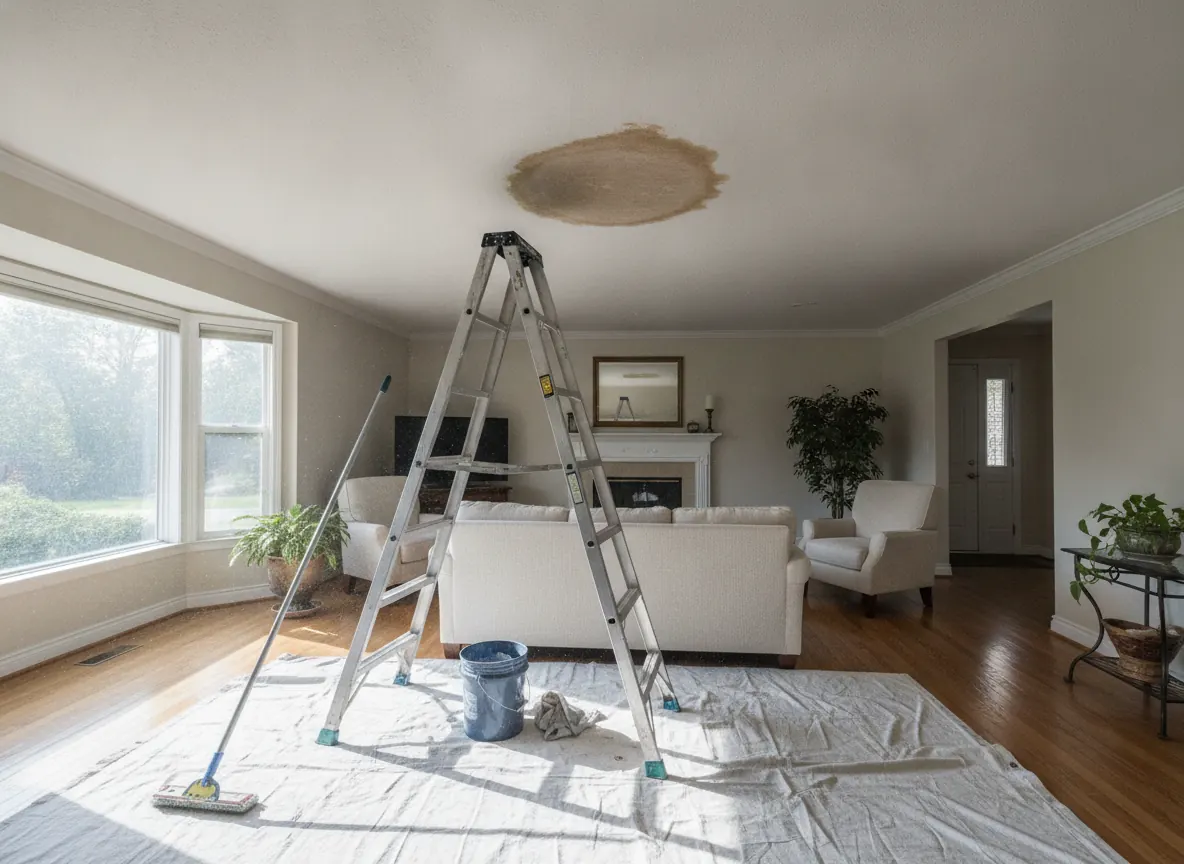
How a roof leak turns into attic and ceiling mold
Hail can bruise or crack shingles, dislodge granules, split flashing and damage vents. Water that gets past the roof deck soaks insulation and the top of the ceiling drywall first. Because few people check the attic after a storm, damp insulation and wood sheathing can stay wet for days, and mold can start growing before a stain ever appears on the ceiling below.
Signs worth checking after a storm:
- Brown rings or yellowing on ceilings, especially near exterior walls
- Sagging or soft ceiling drywall, or bubbling paint
- Damp, matted or discolored attic insulation
- Dark staining on roof decking or rafters seen from the attic
- A musty smell in upper rooms or closets
The 24–48 hour drying window
EPA’s mold guide says: “It is important to dry water-damaged areas and items within 24–48 hours to prevent mold growth.” After a roof leak, that clock starts when water gets in, not when you notice it. Practical steps for homeowners:
Stop more water getting in
A roofer can tarp the damaged area until a permanent repair is made.
Dry what you safely can
Move belongings, catch drips, and ventilate the attic and rooms below. Wet insulation often needs to come out to dry the space behind it.
Document everything
Photograph ceiling stains, attic damage and the roof. Keep notes on when the storm hit and when you found the leak.
Get a licensed assessment if growth is likely
If materials stayed wet beyond a day or two, or you see or smell mold, a licensed assessor can map the extent and write a protocol for a separate licensed remediator.
EPA also says that if you clean up the mold but don’t fix the water problem, the mold will most likely come back. The roof repair comes first.
Who does what after a hail-related leak
Texas Occupations Code §1958.155 says a license holder may not perform both mold assessment and mold remediation on the same project, and no one may own an interest in both companies on that project. A typical sequence is a roofer for the repair, an independent licensed assessor for the protocol, a separate licensed remediator for the attic or ceiling cleanup, then clearance by a licensed assessor. Once a hired company’s mold job reaches 25 contiguous square feet, Texas requires it to hold a TDLR remediation license, and the owner should receive a Certificate of Mold Damage Remediation (TDI form MDR-1) within 10 days of completion.
That certificate can matter for insurance. The TDLR FAQ notes that a qualifying certificate may be presented to an insurer, which may not make an adverse underwriting decision based on previous mold damage if the requirements of Insurance Code §544.303 are met. Coverage for the damage itself depends on your policy, so talk with your insurer or adjuster. Our post on Texas insurance and the MDR-1 certificate explains more, and hail, roof leaks and hidden attic mold covers what to look for after a storm.
Note: SB 1255 (2025) changed parts of Texas’s mold law, and TDLR is updating its rules. This is general information, not legal advice. Ask any company for its TDLR license number and check it on TDLR’s license search.
Typical attic and ceiling mold costs
Typical national ranges from cost guides, 2024–2026 — not quotes.
| Item | Typical range |
|---|---|
| Attic | $1,000–$9,000 |
| Ceilings / walls | $1,000–$9,000 / $1,000–$12,000 |
| Mold inspection | $450–$800 (HomeAdvisor data via Bob Vila: $299–$1,014, avg about $656) |
The real price comes from licensed pros after an on-site assessment. See the full cost guide, learn about mold inspection, or tell us what you’re seeing and we’ll help you get quotes from licensed local pros.
Frequently asked questions
Can hail damage cause mold in my attic?
It can. Hail can crack shingles, split flashing and damage vents, letting rain reach the roof deck and insulation. Because attics are rarely checked after a storm, wet insulation and wood can stay damp long enough for mold to grow before a ceiling stain appears. Have the roof inspected after a major storm and check the attic for damp insulation.
How fast does mold grow after a roof leak?
EPA’s mold guide says water-damaged areas and items should be dried within 24–48 hours to prevent mold growth. Attic leaks are often found late, so growth may already be present by the time a ceiling stain shows. Stop the leak, start drying, and if materials stayed wet for more than a day or two, consider a licensed assessment.
Do I need to replace a ceiling with a water stain?
Not always. A small, dry stain from a one-time leak may only need the leak fixed and the surface sealed and painted. Soft, sagging or crumbling drywall, or a stain with growth or a musty smell, usually needs removal. A licensed assessor can tell you what the protocol requires before anyone opens the ceiling.
Will insurance pay for mold after a hail storm?
It depends on your policy and the cause of the damage, so ask your insurer or adjuster. Separately, the TDLR FAQ notes that a qualifying Certificate of Mold Damage Remediation (MDR-1) may be shown to an insurer, which may not make an adverse underwriting decision based on prior mold damage if Insurance Code §544.303 requirements are met.
Can mold grow after a new roof is installed?
Yes, if moisture was trapped before or during the work. Insulation or decking that stayed wet from an earlier leak can still support growth after the new roof goes on. If you notice a musty attic smell, damp insulation or new ceiling stains after a replacement, have the attic checked and get quotes from licensed pros.
Found mold or a hidden leak? Get a clear plan.
Free, no-pressure quotes from licensed pros across Lubbock, Wolfforth, Shallowater, Slaton and the South Plains.