
Flood & Water Damage Mold in Lubbock
When a flash flood, an overflowing playa lake or a sewage back-up puts water in your home, the drying clock starts right away. We connect Lubbock-area homeowners with TDLR-licensed mold assessors and remediators for free, no-obligation quotes.
Get a Free Quote Call (727) 300-6656A dry city that floods by design
Lubbock gets only about 18 inches of precipitation in a normal year, but much of it arrives in short, heavy thunderstorms. The city’s drainage is built around playa lakes, the natural depressions that collect stormwater. The City of Lubbock describes “a series of natural depressions and drainage patterns that collect and distribute storm water,” and in 2023 the city’s engineering director told FOX34, “We’re a surface draining city,” with streets designed to drain into the playa lakes. When a storm drops more rain than the system can hold, streets fill and low-lying homes can take on water.
September 2008: Lubbock’s record rain
The National Weather Service reports that Lubbock “received it’s highest ever 24 hour rainfall – 7.80 inches” in September 2008, well above the prior record of 5.82 inches from October 1983. NWS said the rain “inundated the playa lakes, parks and streets across the city.” NWS Storm Data for that month records that “Swollen playa lakes flooded 137 homes and businesses. More than twenty structures suffered complete inundation of the ground level story.” A home in Levelland was also threatened by a swollen playa.
Smaller events matter too. On June 24, 2019, 2.08 inches fell at the NWS office, mostly in under an hour, causing extensive street flooding in south Lubbock. In June 2024, NWS reported a frontage road closed between Quaker and Indiana with water up to two feet deep. Flash floods like these can push water under doors, into garages and through low vents.
The 24–48 hour window after water gets in
EPA’s mold guide says: “It is important to dry water-damaged areas and items within 24–48 hours to prevent mold growth.” After a flood, that window is short. What homeowners typically do first:
Stay safe
Keep clear of standing water near outlets or appliances, and have power shut off to flooded areas if needed. Floodwater and sewage can carry contaminants, so wear gloves and boots.
Document the damage
Take photos and video of water lines, flooring, walls and belongings before anything is moved, and contact your insurer.
Remove water and start drying
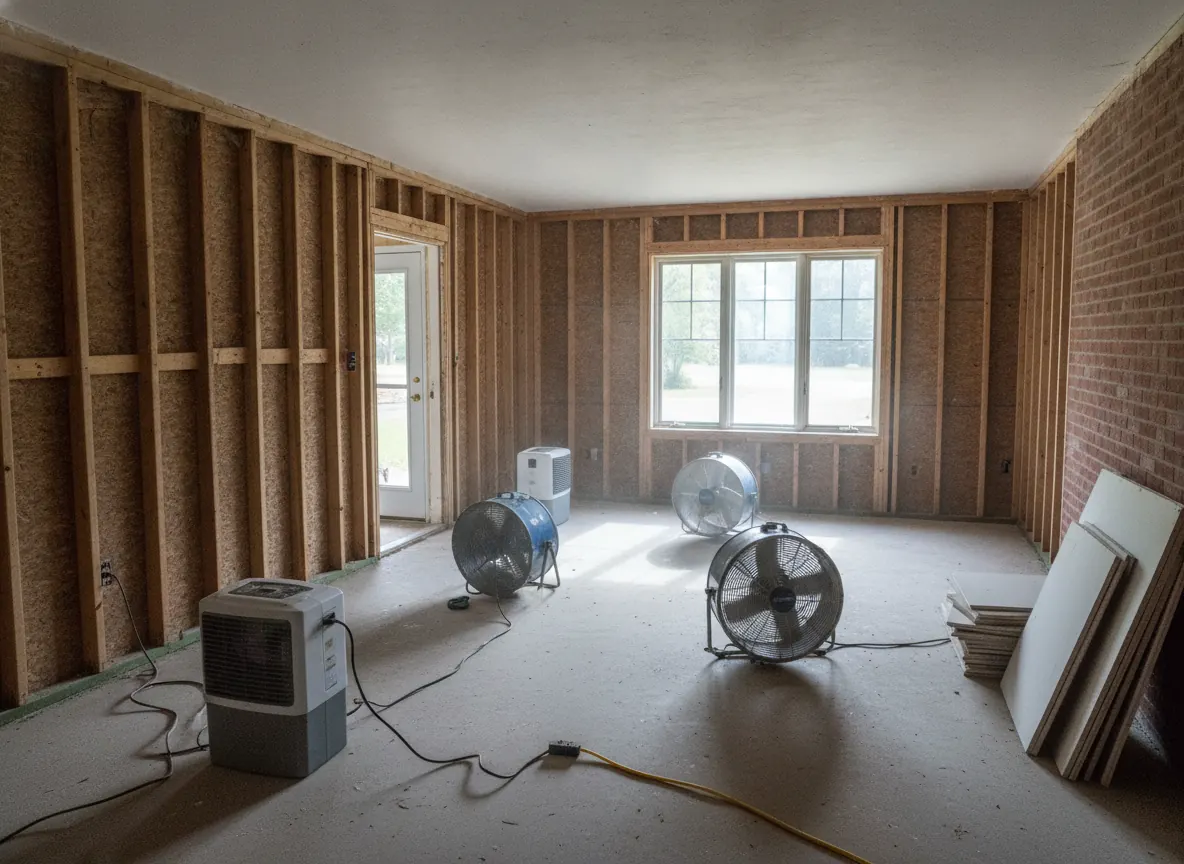
Water extraction, fans and dehumidifiers help. Wet carpet pad, insulation and the lower part of drywall often can’t be dried in place.
Check for mold
If materials stayed wet beyond a day or two, or you see or smell mold, a licensed assessor can map the affected areas and write a protocol for a separate licensed remediator.
TDLR’s consumer sheet lists floodwaters and sewage back-ups among the common moisture problems behind indoor mold. EPA also notes that if the water problem isn’t fixed, mold will most likely come back, so drainage around the house and any repairs come first.
Texas rules for flood-related mold work
A hired company doing mold remediation on an area of 25 contiguous square feet or more needs a TDLR mold remediation license, per Texas Occupations Code §1958.102(c). Normally a licensed remediator must notify TDLR at least five calendar days before such a job (16 TAC §78.110), but in an emergency §1958.153(b) allows notice by the next business day, so urgent work does not have to wait. Homeowners cleaning their own home are exempt at any size under §1958.102(e) and 16 TAC §78.30(b).
Under §1958.155, the assessor and the remediator on the same project must be separate companies, and no one may own an interest in both. After the work, a licensed assessor performs clearance, and the remediator gives the owner a Certificate of Mold Damage Remediation (TDI form MDR-1) within 10 days. Ask any company for its TDLR license number and check it on TDLR’s license search.
Note: SB 1255 (2025) changed parts of Texas’s mold law; among other things, it excludes the demolition of a structure after a fire or other disaster from the mold law’s scope. TDLR is updating its rules, and current rules remain in effect until new ones are adopted. This is general information, not legal advice.
Typical costs by affected area
Typical national ranges from cost guides, 2024–2026 — not quotes.
| Affected area | Typical range |
|---|---|
| 50 sq ft | $500–$1,250 |
| 100 sq ft | $1,000–$2,500 |
| 200 sq ft | $2,000–$5,000 |
| 500 sq ft | $5,000–$12,500 |
| 1,000 sq ft | $10,000–$25,000 |
| Whole house | $10,000–$30,000 |
Jobs of 25 or more contiguous square feet involve two separate licensed firms, so budget for both an assessor and a remediator. The real price comes from licensed pros after an on-site assessment. See the cost guide, read about mold removal, or tell us what happened and we’ll help you get quotes from licensed local pros.
Frequently asked questions
How likely is mold after water damage?
It depends on how fast things dry. EPA’s mold guide says water-damaged areas and items should be dried within 24–48 hours to prevent mold growth. Materials that stay wet longer, such as carpet pad, insulation and drywall, are much more likely to grow mold. If water sat in your home for more than a day or two, consider a licensed assessment.
Can mold remediation start right away after a flood?
Often, yes. Texas normally requires a licensed remediator to notify TDLR five calendar days before a job of 25 contiguous square feet or more, but in an emergency Texas Occupations Code §1958.153(b) allows notice by the next business day. Drying and water removal can start immediately. This is general information, not legal advice.
Do playa lakes really flood homes in Lubbock?
They have. NWS Storm Data for September 2008, when Lubbock had its highest-ever 24-hour rainfall of 7.80 inches, records that swollen playa lakes flooded 137 homes and businesses, with more than twenty structures completely inundated at ground level. The city’s streets are designed to drain into playa lakes, so heavy storms can cause street flooding.
What should I throw out after a flood?
Porous materials soaked by floodwater, such as carpet pad, insulation and the lower part of drywall, often can’t be dried and cleaned in place. Floodwater and sewage can carry contaminants, so take care. Photograph everything for your insurer first. For materials with mold growth, a licensed assessor’s protocol will specify what a licensed remediator should remove.
Does homeowners insurance cover flood mold?
Coverage depends on your specific policy and on what caused the water damage, so ask your insurer or agent before cleanup begins. Separately, a qualifying Certificate of Mold Damage Remediation (MDR-1) may help with future underwriting under Insurance Code §544.303, according to the TDLR FAQ. This is general information, not legal advice.
Found mold or a hidden leak? Get a clear plan.
Free, no-pressure quotes from licensed pros across Lubbock, Wolfforth, Shallowater, Slaton and the South Plains.